Showing posts with label disease. Show all posts

Monday, August 10, 2009

Preventing Malaria

If you are suffering from recurring fever, Headaches and nausea, along with bouts of shivering, muscle pain and weakness, then you are most likely to be suffering from malaria.

Malaria is the most deadly disease of the developing world and is caused by the protozoan Plasmodium. Female Anopheles mosquito spread this disease by transferring the pathogen from an infected person to a healthy one.

How to prevent it ???
  • Use mosquito repellents and nets.
  • Do not allow water to stagnate anywhere.
  • If you witness the above mentioned symptoms, take doctor’s prescription immediately. Malaria can be fatal if not treated in time.
  • Special care is taken if the patient is a child or a pregnant woman. Anti-malarial drugs might not agree with patients already suffering from renal failure, epilepsy, cardiac disease, hepatic insufficiency or dermatitis.


Sunday, July 26, 2009

Treatment for Motor Neuron Disease


There is no cure or standard treatment for the MNDs.
Symptomatic and supportive treatment can help patients be more comfortable while maintaining their quality of life.
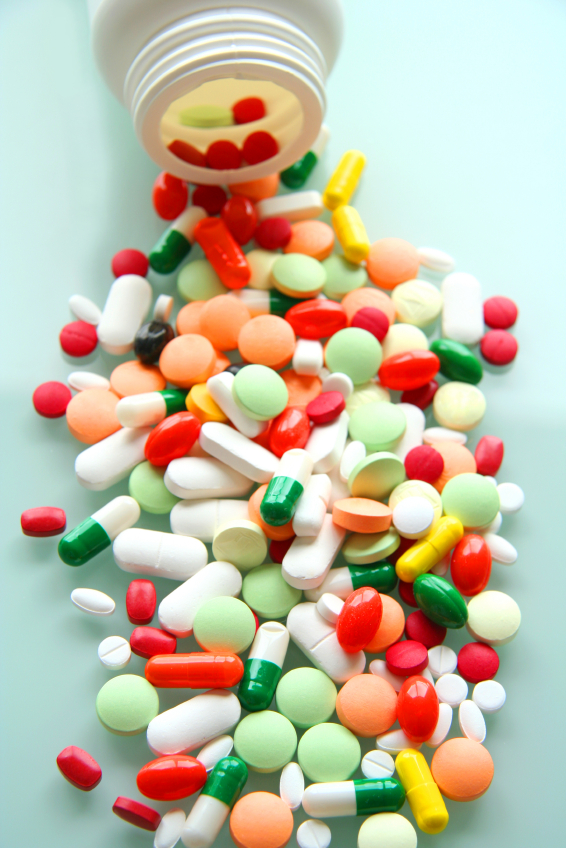
The drug riluzole (Rilutek®), which as of this date is the only drug approved by the U.S. Food and Drug Administration to treat ALS, prolongs life by 2-3 months but does not relieve symptoms. Other medicines that may help reduce symptoms include muscle relaxants such as baclofen, tizanidine, and the benzodiazepines for spasticity; glycopyrrolate and atropine to reduce the flow of saliva; quinine or phenytoin for cramps; anticonvulsants and nonsteroidal anti-inflammatory drugs to relieve pain; tranquilizers to help with sleeping problems; antidepressants; and botulinum toxin, amitriptyline, and other anticholinergic drugs to control drooling.
Some patients may require stronger medicines such as morphine to cope with musculoskeletal abnormalities or pain in later stages of the disorders, and opiates are used to provide comfort care in terminal stages of the disease.

Tuesday, July 21, 2009

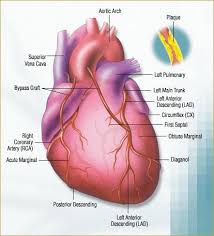
Women and heart attack


It's vital that everyone learn the warning signs of a heart attack.
These are: Chest discomfort.

Most heart attacks involve discomfort in the center of the chest that lasts for more than a few minutes, or goes away and comes back.

The discomfort can feel like uncomfortable pressure, squeezing, fullness, or pain.

Discomfort in other areas of the upper body.

Can include pain or discomfort in one or both arms, the back, neck, jaw, or stomach.

Shortness of breath. Often comes along with chest discomfort. But it also can occur before chest discomfort. Other symptoms.

May include breaking out in a cold sweat, nausea, or light-headedness.

Learn the signs--but also remember: Even if you're not sure it's a heart attack, you should still have it checked out.

Fast action can save lives-maybe your own. .


Tuesday, May 26, 2009

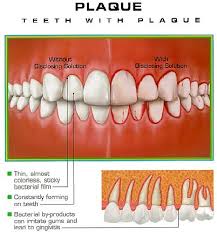
How to Get Rid of Plaque


Plaque is made up of invisible masses of harmful germs that live in the mouth and stick to the teeth.
  • Some types of plaque cause tooth decay
  • Other types of plaque cause gum disease
bleeding gums can be the first signs of gum disease.

If gum disease is not treated, the tissues holding the teeth in place are destroyed and the teeth are eventually lost.

Dental plaque is difficult to see unless it’s stained.

You can stain plaque by chewing red “disclosing tablets,” found at grocery stores and drug stores, or by using a cotton swab to smear green food coloring on your teeth.

The red or green color left on the teeth will show you where there is still plaque—and where you have to brush again to remove it.

Thursday, April 16, 2009

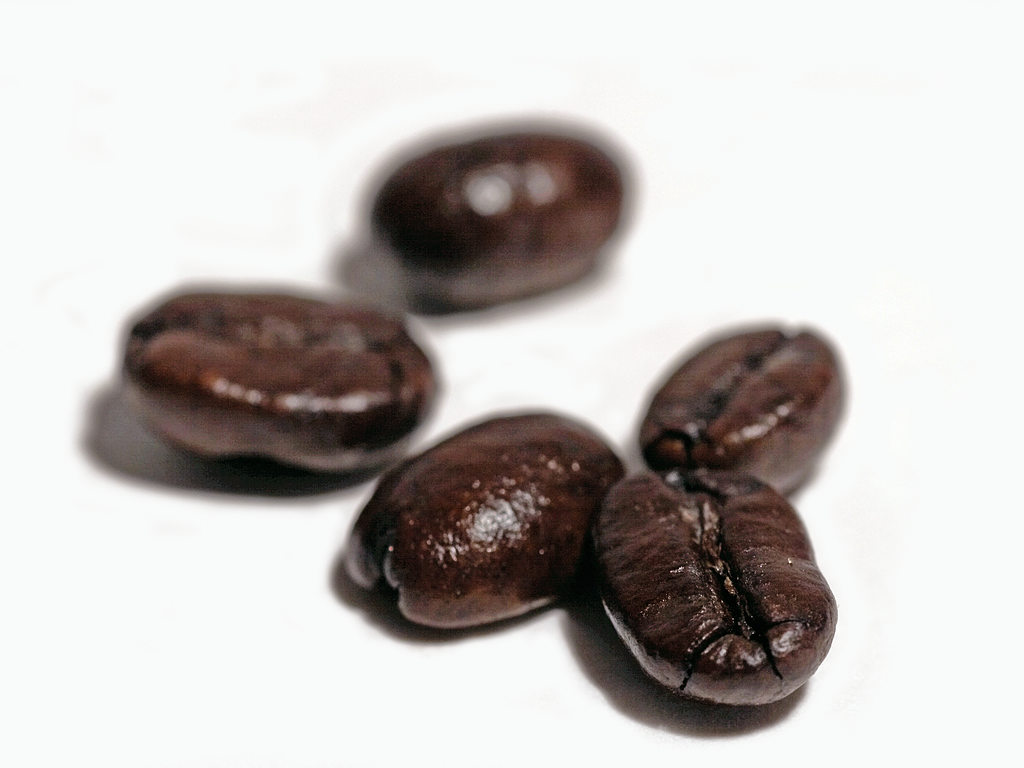
Coffe - Is it good for our health ???


For many of us the day does not begin until we have enjoyed our first cup of coffee.

We know it helps increase our energy and alertness, but there is increasing scientific evidence to show that coffee may also help provide significant protection against the development of liver disease.


  • In this post we'll try to show how coffee drinking specifically could be protective against:
    Cirrhosis of the liver (a disease causing progressive damage and scarring of the liver tissue and function)

  • Gallbladder disease - by reducing the risk of gallstone formation.

  • An increase of liver enzyme activity.
    A high liver enzyme activity is a recognised indicator that there has been deterioration in the functioning of liver cells and possible development of disease in the liver.

More recent studies confirmed the findings that it is specifically coffee, but not other beverages containing caffeine, that may be the key factor in inhibiting the onset of both alcoholic and non-alcoholic cirrhosis of the liver.


In another large study, results showed that men who regularly drank two to three cups of coffee per day – filtered, instant or espresso - had about a 30-40% reduction in risk of gallstone disease.


For men who drank four cups per day, the reduction was even more significant – the risk was cut in half.


Other study results have demonstrated a similar positive effect in women.


We cannot live without a functioning liver – so here is some good news – that cup of coffee we all enjoy is not bad for us at all.


In moderation, drinking coffee not only helps increase our energy and alertness but may also be helping to keep our liver healthy.


Thursday, August 21, 2008

What is Xanax?


Xanax is in a group of drugs called benzodiazepines (ben-zoe-dye-AZE-eh-peens).

Xanax affects chemicals in the brain that may become unbalanced and cause anxiety.

Xanax is used to treat anxiety disorders, panic disorders, and anxiety caused by depression.

Xanax may also be used for purposes other than those listed in this medication guide.

Thursday, July 31, 2008

Rember - New treatment for Alzheimer

A new drug could prove at least twice as effective in treating Alzheimer’s disease as current medications and significantly slow the progression of dementia, researchers say.

The research team at the University of Aberdeen concluded that the drug, Rember, slows progression of the disease by up to 81 per cent.

Sufferers taking the drug three times a day for 50 weeks showed a slower decline in blood flow to the parts of the memory that are vital to the memory.

Experts hailed the study as a major development in the fight against Alzheimer’s, which affects an estimated 350,000 people in Britain and more than 26 million people worldwide.

Watch Alzheimers by Youtube :

Monday, July 21, 2008

Familial Mediterranean Fever

Colchicine is a chemical compound that can be used as a medication, and is frequently prescribed for gout.

Some years ago, colchicine was discovered to also be effective in reducing the frequency and severity of attacks in FMF.

Treatment for FMF at this point consists of taking colchicine daily.

Studies have shown that about 75 percnt of FMF patients achieve complete remission of their symptoms, and about 95 percnt show marked improvement when taking colchicine.

Lower effectiveness has been reported, but there is some question about the number of FMF patients who choose not to take their colchicine between attacks when they are feeling well, and thus lose some of the ability to prevent attacks.

Compliance with taking colchicine every day may be hampered by its side effects, which include diarrhea, nausea, abdominal bloating, and gas.

There is a theoretical risk that colchicine use could damage chromosomes in sperms and eggs, or in an embryo during pregnancy, or that it might reduce fertility.
However, studies looking at reproduction in men and women who have used colchicine have so far not shown any increased risks.

Colchicine is also effective in preventing, delaying, or reversing renal disease associated with amyloidosis.


Thursday, July 3, 2008

Pushing drugs !!


For years, drug companies (pharmaceuticals AKA Big Pharma) have been taking the public for a costly ride and making a killing in the process -- seriously, a lot of people are dying as a result.

In this documentary, find out how Big Pharma's clever politics and marketing schemes are tailored specifically to empty out our bank accounts and force us to sell-off our homes if need be, for drugs that would otherwise cost a few pesos elsewhere in the world.

But it doesn't stop there:

With so much profit potential glistening in their eyes, these companies have little incentive to provide cures.

Rather, they recycle old drugs, modifying them ever so slightly (often resulting in deadly cocktails), for the single purpose of acquiring new patents.

Thus, renewing their monopoly over pricing.

But that's only the beginning - Watch it and see fotr yourself :

Monday, June 23, 2008

Viagra & Heart attack - True story

Sexual problems after a heart attack are common, occurring in one-half to three-quarters of patients.

Both men and women may have less sex or feel less satisfied with sexual activity after heart attack.

A variety of factors may contribute, including side effects of drugs (such as beta blockers), depression, and fears about triggering a new heart attack or dying.

Since sexual activity is a type of physical activity, exercise testing can be used to determine if a person is at any risk of heart problems related to sex.


If a man develops chest pain after taking Viagra, Cialis or Levitra, he should not take nitrates for 24 hours (or longer in some cases).

Instead, the man should rest and wait 10 minutes to see if the pain resolves.
If the pain does not resolve or if the chest pain is severe, he should immediately call for emergency medical services


Watch how BiosLife regulates Cholesterol levels & Prevent Heart Attack :

Thursday, April 10, 2008

Insect Bites - Be Carefull


It is known that some insect bites can cause severe reactions specially in certain countries in Africa, Asia, and South America.

The risk of catching diseases there , such as malaria, is much greater.
You are more likely to be bitten by an insect if you work outdoors, or regularly take part in outdoor activities such as camping, or hiking.
We all must be carefull...


Learn how to reduce the pain of a bite in this free video clip from an expert physician about how to treat insect bites :

Monday, April 7, 2008

Rabies - Beware of infected animals !

Rabies is an often fatal viral infection primarily spread by infected animals.

Rabies is spread by infected saliva that enters the body through a bite or broken skin.

The virus travels from the wound to the brain, where it causes swelling, called inflammation.

This inflammation results in the symptoms of the disease.

Most rabies deaths occur in children.

The actual time between infection and when you get sick (called the "incubation period") ranges from 10 days - 7 years.

The average incubation period is 3 - 7 weeks.

Watch this Rabid dog :