One of the factors affecting in the slow progress of finding a
cure for Stargardt?s is the nature of the gene responsible for this
retinal disease. Some people with the gene never develop the disease,
while others seem to develop it without the gene. Environmental and
unknown factors play a role as well.

In the future, when a patient manifests a genetic defect, doctors
hope to be able to correct it and resolve the problems it causes. Gene
therapy involves inserting a functioning gene into human cells to
correct a genetic error or to introduce a new function to the cells.
The surgeon must transplant genes rather than cells, a strategy which
miniaturizes the process by a million fold. The surgical tools are not
hand-held instruments, but trained viruses. At the 1998 conference of
the Association for Research in Vision and Ophthalmology, a report
presented just such a technique for retinitis pigmentosa (RP), another
retinal degenerative disease. Researchers showed that a virus called
Lenti could carry a new gene into mouse photoreceptors and could
prevent the photoreceptors from degenerating for six months in a mouse
model of recessive RP. That's a long time for a mouse! In another
experiment, an adenovirus was used to deliver a gene designed to
prevent the expression of an abnormal dominant gene for RP. Thus, it
appears that both dominant and recessive forms of RP are amenable to
gene therapy -- at least in mice! Before we can begin human trials of
gene therapy for retinal degenerations, the long term effects of these
viruses, including rejection, must be better understood. Like
transplantation, this approach requires delicate subretinal surgery to
place the virus near the photoreceptors and the RPE.
Showing posts with label liver. Show all posts
Showing posts with label liver. Show all posts
Friday, July 24, 2009
How our Stem Cells Can Fix our Hear t!

Thursday, April 16, 2009
Coffe - Is it good for our health ???
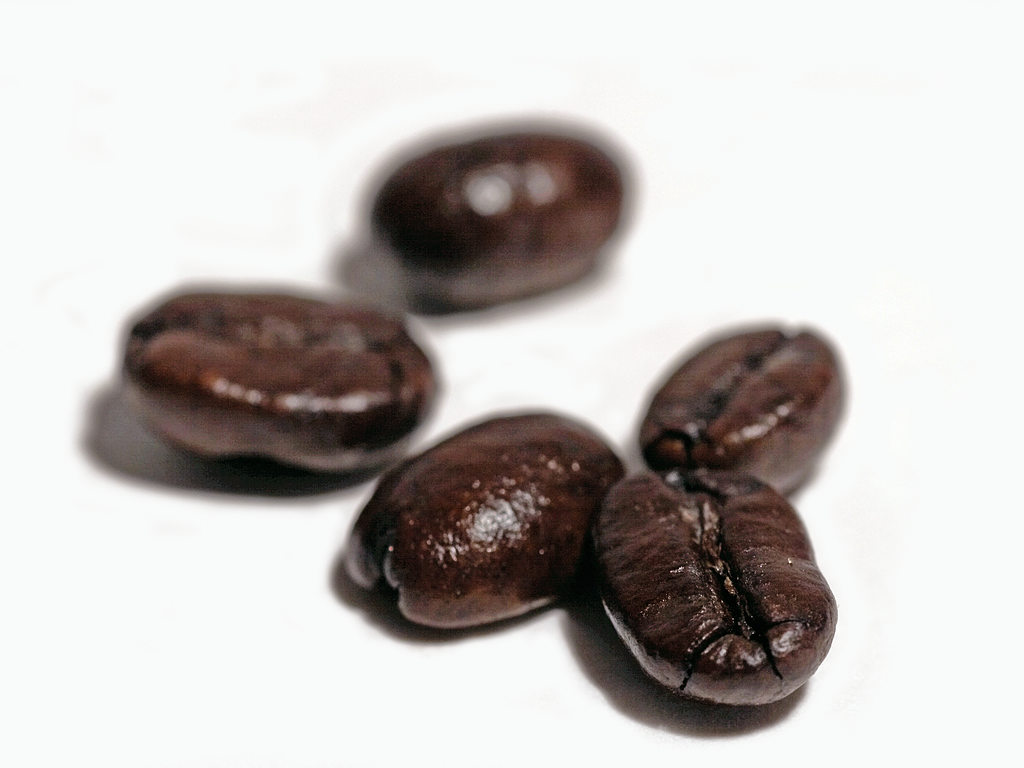
For many of us the day does not begin until we have enjoyed our first cup of coffee.
We know it helps increase our energy and alertness, but there is increasing scientific evidence to show that coffee may also help provide significant protection against the development of liver disease.
- In this post we'll try to show how coffee drinking specifically could be protective against:
Cirrhosis of the liver (a disease causing progressive damage and scarring of the liver tissue and function) - Gallbladder disease - by reducing the risk of gallstone formation.
- An increase of liver enzyme activity.
A high liver enzyme activity is a recognised indicator that there has been deterioration in the functioning of liver cells and possible development of disease in the liver.
More recent studies confirmed the findings that it is specifically coffee, but not other beverages containing caffeine, that may be the key factor in inhibiting the onset of both alcoholic and non-alcoholic cirrhosis of the liver.
In another large study, results showed that men who regularly drank two to three cups of coffee per day – filtered, instant or espresso - had about a 30-40% reduction in risk of gallstone disease.
For men who drank four cups per day, the reduction was even more significant – the risk was cut in half.
Other study results have demonstrated a similar positive effect in women.
We cannot live without a functioning liver – so here is some good news – that cup of coffee we all enjoy is not bad for us at all.
In moderation, drinking coffee not only helps increase our energy and alertness but may also be helping to keep our liver healthy.
Wednesday, July 9, 2008
B3 vitamin - Is it really essential ??

B3—also known as niacin, vitamin P, or vitamin PP—helps release energy from nutrients.
It can reduce cholesterol and prevent and treat arteriosclerosis, among other benefits.
Too little B3 can result in pellagra, a disease with symptoms that include sunburn, diarrhea, irritability, swollen tongue, and mental confusion.
Too much B3 can result in liver damage.
Food sources rich in niacin are chicken, salmon, tuna, liver, nuts, dried peas, enriched cereals, and dried beans.
No more than 14-18 mg per day for adults.
Good health...
Watch Why we need Vitamin B12 :
Monday, June 16, 2008
Can Yogurt cure cancer ???

Dr. Robert Willner reccomends a mix of ingrediants for Cancer cure...:
Put this ingrediants in your blender:
1 cup Organic cottage cheese (low fat, not too hard one, best make your own)(or yogurt)
2-5 Tbsp. of flaxseeed oil-
1-3 Tbsp. of freshly ground up flaxseed (coffee grinder works fine)
Enough water to make it softlittle cayenne...
optional:
little garlic
little red pepper
little champagne
Make it very soft.
Eat some of it every day.
Monday, June 2, 2008
Digestive and Liver Disorders in Children

Digestive disorders affecting infants and children range from simple problems that most children experience from time to time, such as vomiting or diarrhea, to more serious (and possibly life-threatening) birth defects such as tracheoesophageal fistula, or illnesses such as appendicitis.
Digestive and liver disorders can have significant effects on the health of a child.
A healthy digestive system processes the foods and liquids that we eat, replenishing vitamins, minerals, proteins, carbohydrates and fats that are vital for the body to function properly.
Occasional vomiting or diarrhea may lead to dehydration, however, long-term problems with the digestive system and/or liver can deplete these important nutrients, causing malnutrition that affects a child's physical and mental growth and development.
Some digestive disorders, such as vomiting or diarrhea, may be effectively treated by your child's physician. Other times, your child's physician may refer you to a physician who specializes in children's digestive and liver disorders. This specialist is known as a Pediatric Gastroenterologist.
This web provides an overview of the digestive system and liver, how they work, and problems that can occur in these body systems.
Explanation of the Liver and Liver Disease :
Subscribe to:
Posts (Atom)


