Showing posts with label heart. Show all posts

Friday, July 24, 2009

How our Stem Cells Can Fix our Hear t!

One of the factors affecting in the slow progress of finding a
cure for Stargardt?s is the nature of the gene responsible for this
retinal disease. Some people with the gene never develop the disease,
while others seem to develop it without the gene. Environmental and
unknown factors play a role as well.

In the future, when a patient manifests a genetic defect, doctors
hope to be able to correct it and resolve the problems it causes. Gene
therapy involves inserting a functioning gene into human cells to
correct a genetic error or to introduce a new function to the cells.
The surgeon must transplant genes rather than cells, a strategy which
miniaturizes the process by a million fold. The surgical tools are not
hand-held instruments, but trained viruses. At the 1998 conference of
the Association for Research in Vision and Ophthalmology, a report
presented just such a technique for retinitis pigmentosa (RP), another
retinal degenerative disease. Researchers showed that a virus called
Lenti could carry a new gene into mouse photoreceptors and could
prevent the photoreceptors from degenerating for six months in a mouse
model of recessive RP. That's a long time for a mouse! In another
experiment, an adenovirus was used to deliver a gene designed to
prevent the expression of an abnormal dominant gene for RP. Thus, it
appears that both dominant and recessive forms of RP are amenable to
gene therapy -- at least in mice! Before we can begin human trials of
gene therapy for retinal degenerations, the long term effects of these
viruses, including rejection, must be better understood. Like
transplantation, this approach requires delicate subretinal surgery to
place the virus near the photoreceptors and the RPE.


Tuesday, July 21, 2009

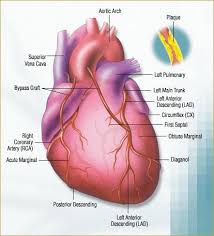
Women and heart attack


It's vital that everyone learn the warning signs of a heart attack.
These are: Chest discomfort.

Most heart attacks involve discomfort in the center of the chest that lasts for more than a few minutes, or goes away and comes back.

The discomfort can feel like uncomfortable pressure, squeezing, fullness, or pain.

Discomfort in other areas of the upper body.

Can include pain or discomfort in one or both arms, the back, neck, jaw, or stomach.

Shortness of breath. Often comes along with chest discomfort. But it also can occur before chest discomfort. Other symptoms.

May include breaking out in a cold sweat, nausea, or light-headedness.

Learn the signs--but also remember: Even if you're not sure it's a heart attack, you should still have it checked out.

Fast action can save lives-maybe your own. .


Sunday, June 21, 2009

Do Cocoa Help Heart Health ?


Antioxidants in cocoa might help your heart by keeping your blood vessels relaxed, thus easing blood pressure and helping circulation.

The study shows that cocoa's antioxidants -- called flavonoids -- coax the body into making more nitric oxide, which relaxes the blood vessels.

Chocolate also contains flavonoids, but the problem with chocolate is the burden of fat it carries...

Tuesday, February 10, 2009

What happens when we sneeze ?


We sneeze to get rid of things in your body, ie dust in our nose.

But the reason people say God bless you is because in the middle ages they thought that a demon was being expelled from your body when you sneeze.

We also sneeze whenever dust gets inside your nose and irritates the tiny hairs in your nostrils, so sneezing is the only way for the body to get it out.


Watch more YouTube videos on AOL Video

Wednesday, October 1, 2008

How to Beat Sugar Addiction


sugar should be listed as a drug...

You can improve your health, reduce sugar cravings, have more energy, lose weight, control your appetite & hunger.

Improve your diet and wellness with those tips :


Tuesday, April 22, 2008

Heart exam , EKG and ADHD drugs


Many children and adults take medication for attention-deficit hyperactivity disorder, or ADHD.

Stimulant drugs, like Ritalin, Adderall and Concerta, help children with ADHD stay focused and control their behavior.

The doctors are recommending now a thorough exam, including a family history and an EKG, before children are put on the drugs to make sure that they don't have any undiagnosed heart issues.