Showing posts with label protein. Show all posts

Monday, November 23, 2009

How to read Food Labels ?

Do you read the Nutrition Facts food labels when you shop? Since 1994, the FDA has required these labels to be placed on most food packaging. The Nutrition Facts food labels are easy to find on the back, side or bottom of the packaging.

The black and white Nutrition Facts labels may be formatted vertically or horizontally (the vertical version is more common). Small packages may have an abbreviated version of the label.

For example, this is a food label like one that you would see on a can of condensed chicken noodle soup. It looks like a lot of information to understand all at once, so let's look at the Nutrition Facts food label one section at a time.


Tuesday, May 26, 2009

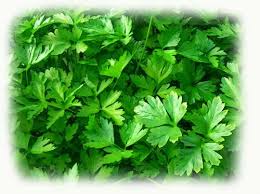
Parsley For Your Skin


Parsley contains a high concentration of vitamin C, iron and is a good source of manganese. It also contains calcium and is a great source of potassium.

The benefits these vitamins and minerals have on your skin is well know.

Vitamin C is a powerful anti-oxidant and in conjunction with protein, is necessary for the production of collagen - the glue that holds us and our skin together and circumvents sags or wrinkles.

It regulates sebaceous glands to keep skin from drying out; helps prevent facial lines, wrinkles and spider veins.

The use of Parsley is not restricted to culinary applications. Sure, parsley is a common ingredient in sauces, soups, rissoles, mince and salads, etc., however, parsley also has medicinal applications.

Herbalists may choose to use parsley in their treatment approach to dysmenorrhoea, amenorrhoea, as a diuretic, anti-flatulent and/or to stimulate appetite.

Other constituents found in Parsley The essential oil comprising apiol, apiolin, myristicin, pinene. In addition to the ingredients listed earlier, parsley also contains flavonoids, a glucoside, apiin, and pro-vitamin A.